What is Prenatal Massage and Why Does It Matter?
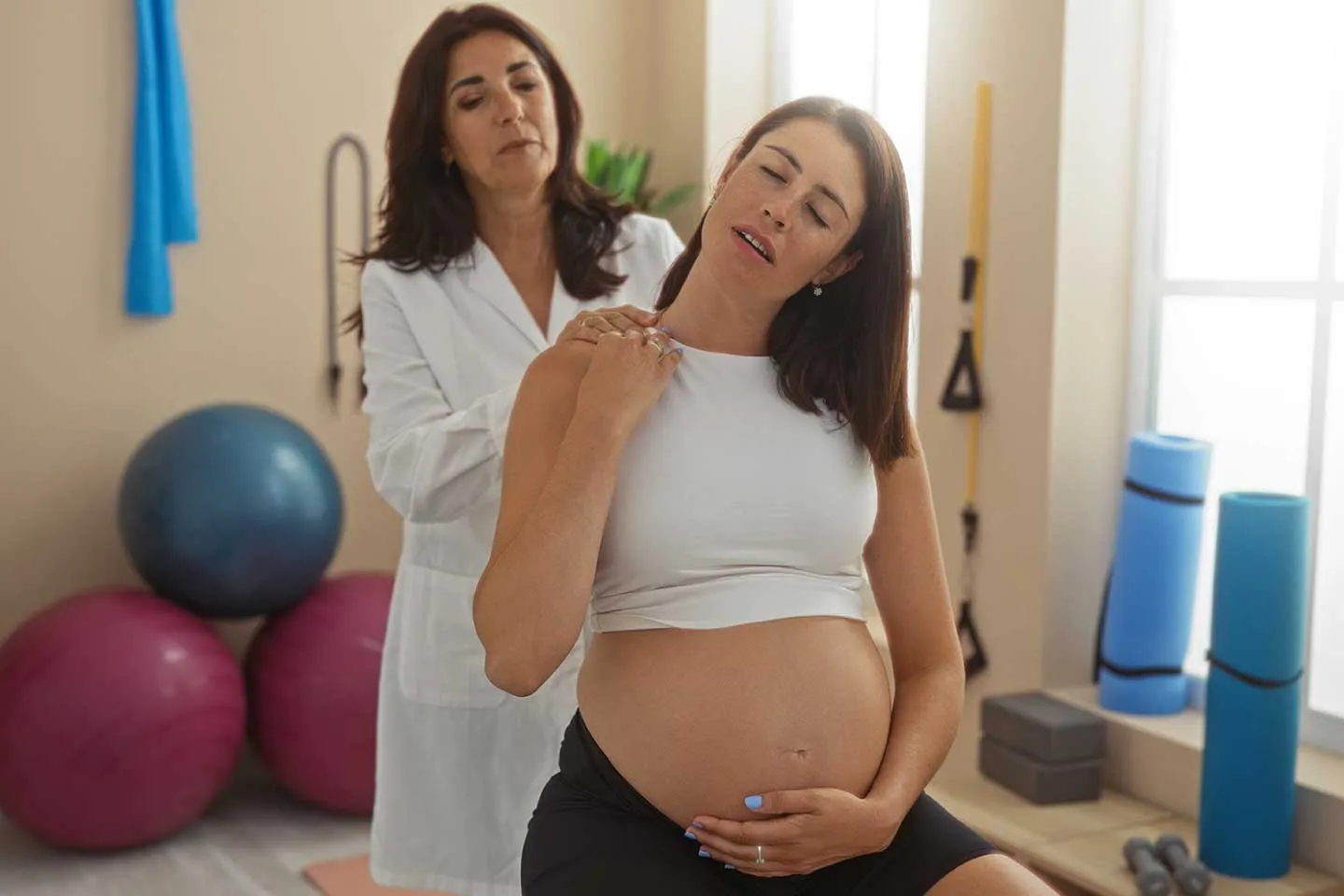
Prenatal massage is a specialized therapeutic massage tailored specifically for expectant mothers. It focuses on the unique needs and changes a woman’s body undergoes during pregnancy. With a foundation in anatomy, physiology, and clinical practice, physiotherapist-led prenatal massage goes beyond relaxation to deliver medically-informed, safe, and effective care for both mother and baby.
Unlike general massage therapy, prenatal massage performed by a physiotherapist is grounded in clinical knowledge and adapted to the dynamic changes in posture, muscle tone, and blood circulation during each trimester. The result is a treatment that not only soothes but also supports physical well-being and prepares the body for labor and delivery.
Top Benefits of Prenatal Massage by a Physiotherapist
1. Relief from Musculoskeletal Pain
Pregnancy often brings about lower back pain, pelvic girdle discomfort, sciatica, and hip tension, all due to the growing uterus, hormonal shifts, and changes in posture. A physiotherapist uses evidence-based manual therapy techniques that target these areas with precision. They understand the musculoskeletal adaptations that occur during each trimester, enabling safe and effective pain relief.
2. Improved Circulation and Reduced Swelling
Physiotherapist-delivered massage stimulates the lymphatic system and improves venous return, helping manage edema—common in the legs, ankles, and hands during pregnancy. This is particularly crucial in the third trimester, when circulation is often compromised by uterine pressure on prominent veins.
With carefully positioned bolstering and techniques that support the vascular system, physiotherapists ensure that massage enhances blood flow, reduces swelling, and lowers the risk of varicose veins and deep vein thrombosis (DVT).
This includes soft-tissue release, trigger point therapy, and myofascial release—techniques specifically designed to reduce pain and improve mobility without posing a risk to mother or baby.
3. Hormonal Regulation and Stress Reduction
Cortisol (the stress hormone) tends to increase during pregnancy, and unmanaged stress can contribute to prenatal depression, anxiety, and sleep disturbances. Prenatal massage has been shown to lower cortisol levels while increasing serotonin and dopamine, the body’s natural feel-good chemicals.
Physiotherapists understand the neuroendocrine implications of touch and use targeted techniques to calm the central nervous system, promoting deep relaxation and mental well-being in a way that untrained massage cannot match.
4. Enhanced Posture and Alignment
As the body changes during pregnancy, postural imbalances develop due to a shifting centre of gravity, joint loosening (thanks to the hormone relaxin), and increased lumbar lordosis. These changes can lead to chronic tension in the neck, shoulders, hips, and lower back.
Physiotherapists conduct a postural assessment before every session, allowing them to adjust massage techniques to correct misalignments, improve body mechanics, and reduce tension in overcompensated areas.
5. Supports Labour Preparation and Recovery
Prenatal massage isn’t just about comfort—it’s also about preparing the body for childbirth. Techniques used by physiotherapists can help loosen pelvic muscles, improve hip flexibility, and condition the pelvic floor for delivery.
Moreover, physiotherapists are skilled at teaching breathing techniques, muscle activation, and relaxation exercises that complement prenatal massage and help prepare mothers for smoother labor and faster postpartum recovery.
Why Is a Physiotherapist a Good Choice for Prenatal Massage?
Clinical Knowledge and Safety Protocols
A physiotherapist brings a deep understanding of pregnancy-related anatomy and physiology, along with medical training that includes screening for high-risk conditions, contraindications, and red flags. This makes sessions safer, particularly for women with gestational diabetes, high blood pressure, or previous pregnancy complications.
While general massage therapists may not recognize signs of complications, a physiotherapist can adjust or defer treatment as needed and refer the patient back to her doctor when necessary. This interdisciplinary approach protects both mother and baby.
Tailored Treatment Based on Trimester
Pregnancy is not static—it evolves, and so do the physical challenges that accompany each stage. A physiotherapist is trained to adapt massage techniques and positioning based on gestational age. They avoid high-risk areas, such as specific acupressure points, and understand when to avoid supine positioning to prevent supine hypotensive syndrome.
This trimester-specific knowledge ensures that the treatment is not only practical but also deeply supportive throughout pregnancy.
Integration with Other Prenatal Therapies
A physiotherapist is uniquely positioned to integrate massage with other physiotherapy interventions, such as:
- Prenatal Pilates
- Pelvic floor strengthening
- Postural re-education
- Manual lymphatic drainage
- Breathing and relaxation techniques
Prenatal Pilates
- Pelvic floor strengthening
- Postural re-education
- Manual lymphatic drainage
- Breathing and relaxation techniques
This holistic, clinical approach ensures that mothers receive comprehensive care under one roof, reducing medical visits and improving continuity of care. If prenatal massage is part of a physiotherapy treatment by an AHPC Registered Physiotherapist to benefit pregnancy health and help with any pain, it can be claimed back via insurance if insurance cover is in place. Usually, a doctor's referral will be required.
How Often Should Prenatal Massage Be Done?
The frequency of prenatal massage depends on the individual’s needs, trimester, and physical condition. As a general guideline:
- First Trimester: Once every 2–4 weeks, depending on symptoms and comfort level. Most physiotherapists begin massage after 12 weeks, unless medically necessary to start earlier.
- Second Trimester: Once every 1–2 weeks. This is the safest and most comfortable time for regular massage. It helps manage emerging aches, swelling, and stress.
- Third Trimester: Weekly sessions are often recommended to manage increased strain, reduce anxiety, and prepare the body for delivery.
A physiotherapist will conduct a detailed assessment at each visit, ensuring the frequency and techniques are appropriate and aligned with your prenatal care plan.
Summary
Choosing a physiotherapist for prenatal massage offers unmatched clinical safety, tailored treatment, and a holistic approach that supports both the physical and emotional journey of pregnancy. From pain relief and improved circulation to posture correction and labour preparation, every benefit is amplified when delivered by a healthcare professional trained in women’s health and physiotherapy.
Contact Physio Therapy Singapore today to start your pregnancy massage journey.
Sources
American Pregnancy Association – https://americanpregnancy.org/healthy-pregnancy/pregnancy-health-wellness/prenatal-massage/
Mayo Clinic – https://www.mayoclinichealthsystem.org/locations/red-wing/services-and-treatments/prenatal-care/massage
Field T, Diego M, Hernandez-Reif M, Deeds O, Figueiredo B. Pregnancy massage reduces prematurity, low birthweight and postpartum depression. Infant Behav Dev. 2009 Dec;32(4):454-60
Hall HG, Cant R, Munk N, Carr B, Tremayne A, Weller C, Fogarty S, Lauche R. The effectiveness of massage for reducing pregnant women’s anxiety and depression: systematic review and meta-analysis. Midwifery. 2020 Nov;90:102818
Mueller SM, Grunwald M. Effects, Side Effects and Contraindications of Relaxation Massage during Pregnancy: A Systematic Review of Randomised Controlled Trials. J Clin Med. 2021 Aug 6;10(16):3485
Field T, Figueiredo B, Hernandez-Reif M, Diego M, Deeds O, Ascencio A. Massage therapy reduces pain in pregnant women, alleviates prenatal depression in both parents and improves their relationships. J Bodyw Mov Ther. 2008 Apr;12(2):146-50
Cleveland Clinic – https://health.clevelandclinic.org/prenatal-massage
Schedule Your Visit
Don’t wait to feel better. Book your consultation with Physio Therapy Singapore Collective today and let us help you move freely and live pain-free.


Mon–Fri: 7 a.m.– 9 p.m.
Sat & Sun: 8 a.m.– 8 p.m.

We offer expert physiotherapy, rehabilitation, and wellness services across Singapore.



2026 © Physiotherapy Singapore Collective. All rights reserved. | Privacy Policy | Digital Marketing by Remedo
- Aljunied |
- Ang Mo Kio |
- Balestier |
- Bartley |
- Bedok |
- Bugis |
- Bukit Batok |
- Bukit Timah |
- Buona Vista |
- Chinatown |
- Choa Chu Kang |
- Clementi |
- East Coast |
- Geylang |
- Hougang |
- Jalan Kayu |
- Jurong |
- Kallang |
- Kembangan |
- Macpherson |
- Mandai |
- Marina Bay |
- Marine Parade |
- Novena |
- Orchard Road |
- Pasir Panjang |
- Pasir Ris |
- Paya Lebar |
- Potong Pasir |
- Punggol |
- Queenstown |
- Raffles Place |
- Seletar |
- Sentosa |
- Serangoon |
- Tai Seng |
- Tampines |
- Tanjong Pagar |
- Telok Blangah |
- Tiong Bahru |
- Toa Payoh |
- Woodlands |
- Yishun
- Aljunied |
- Ang Mo Kio |
- Balestier |
- Bartley |
- Bedok |
- Bugis |
- Bukit Batok |
- Bukit Timah |
- Buona Vista |
- Chinatown |
- Choa Chu Kang |
- Clementi |
- East Coast |
- Geylang |
- Hougang |
- Jalan Kayu |
- Jurong |
- Kallang |
- Kembangan |
- Macpherson |
- Mandai |
- Marina Bay |
- Marine Parade |
- Novena |
- Orchard Road |
- Pasir Panjang |
- Pasir Ris |
- Paya Lebar |
- Potong Pasir |
- Punggol |
- Queenstown |
- Raffles Place |
- Seletar |
- Sentosa |
- Serangoon |
- Tai Seng |
- Tampines |
- Tanjong Pagar |
- Telok Blangah |
- Tiong Bahru |
- Toa Payoh |
- Woodlands |
- Yishun