
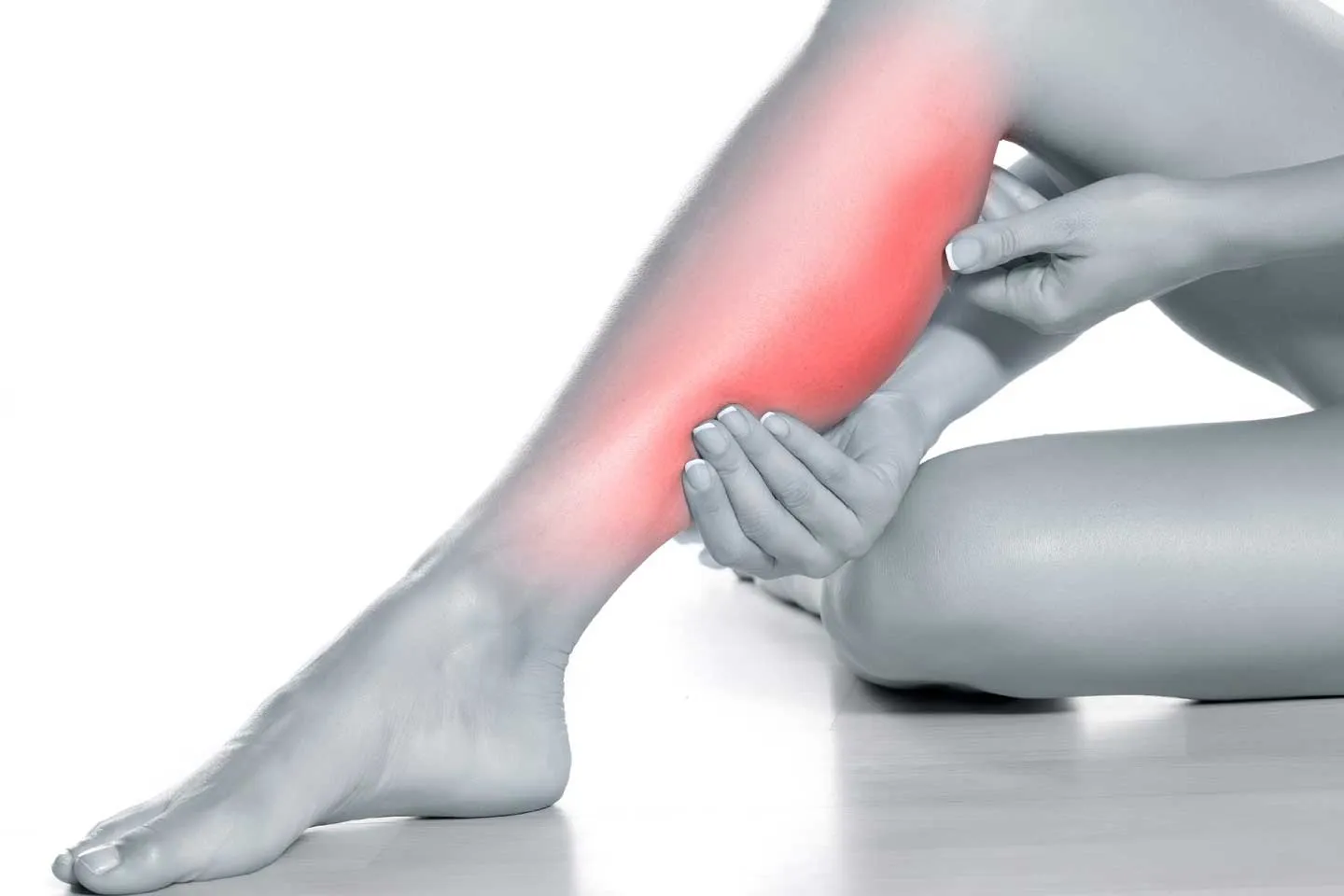
Persistent Leg Pain: Is It because of the Blood Vessels or Sciatica?
The word often bandied around for leg pain is ‘sciatica’. Most people will have heard of this term or listened to a friend or work colleague discussing their sciatica. They usually refer to leg pain that feels slightly numb and radiates down the leg. The problem is that people use this familiar term all too easily. It is often misused for the wrong condition. This can lead to poor treatment or advice and, unfortunately, no improvement.
We think that the term ‘sciatica’ is used so often for several reasons. It is also quite frequently the common reason for leg pain, as it usually occurs alongside low back pain, and is one of the most common conditions affecting 20 to 60-year-olds every year, and so cases of sciatica are common. But it can become the ‘go-to’ easy diagnosis to reach, and all too often, leg pain is not fully or thoroughly assessed to exclude other causes before this diagnosis is reached and treatment is started. The most frustrating thing is to be treated for something and see no improvement because the wrong diagnosis was reached too early. Importantly, we also know that misdiagnoses and incorrect conclusions are a significant factor in creating persistent pain and chronic pain, as distrust in the professionals producing this diagnosis grows and worries the patient.
We also know that diagnosing sciatica is easier for physiotherapists and other health professionals, as they encounter it more often and its symptoms are easier to identify. In contrast, conditions such as vascular compromise are more challenging to diagnose and less common. This means medical professionals need to be on alert for these less common conditions when making diagnoses, or they risk misdiagnosing. Knowing common signs and symptoms of vascular leg pain will help you present the whole picture to your healthcare practitioner and ensure you know what to look out for.
Here Are Some of the Signs and Symptoms to Observe
Problems with the artery in the front of the thigh and groin (the External Iliac Artery) are more common among people who cycle or skate. We think this is because of the position they adopt for their sport. They have to bend over at the hip for long periods, which may irritate or compress the vessels at the front of the thigh. This can alter flow in the pipes (blood vessels), stirring it up and creating thickening in the walls, which, over time, can narrow the pipes. This means that the amount of blood that can flow through the pipes to the leg is limited, so oxygen and nutrients to the tissues are limited. It is unclear what the exact cause is, but it is likely due to thickening of the vessel walls (endofibrosis). People who do a lot of running and jumping, such as footballers and older adults, are more prone to calf vascular problems due to popliteal artery compression. issues. Again, the cause is uncertain, but it is likely due to excessive plantarflexion (toe pointing while running or jumping) in footballers or to plaque build-up (atherosclerosis) in the elderly.
Here is where it gets tricky, as the signs and symptoms of vascular problems often do feel like Sciatica. Some of the more vascular symptoms are swelling in the lower legs and feet, a feeling that shoes or footwear are ‘too tight’, and that the legs are heavy and ‘difficult to move’. There may be sensations of pins and needles or numbness in the legs, but unlike sciatica, which does sometimes follow a particular pattern in the legs where the nerve supplies (known as dermatomes), the pins and needles or numbness from vascular problems does not follow this known pattern, as the sensation comes from the blood vessels rather than the nerves.
One of the more apparent signs that the problem you are experiencing might be vascular is a clear pattern in when the symptoms start and stop. If we think back to the point I raised above about blood vessels becoming clogged and so less blood can flow through them, we can start to picture the situation. Let's take an elderly gentleman who walks his dog for 60 minutes every morning. He notices that at 45 minutes into his walk, he almost always develops a nagging calf pain. Once he sits down and rests, the symptoms ease almost immediately, and he can resume for another 45 minutes (if he has rested for 10-15 minutes). The symptoms don’t start again until he gets to around 45 minutes in again. A clear pattern of on and off. This is characteristic of vascular problems, as the gentleman’s leg tissues (muscles, bones, and nerves) can tolerate the blood supply for 45 minutes. After 45 minutes of walking, tissues reach a point where they are not receiving enough regular blood flow to perform their work effectively. They complain about it with pain and symptoms.
Once the gentleman stops the activity, blood flow quickly returns to supply the tissues with the right amount of oxygen and nutrients again, and pain and symptoms stop. On and off. This is a good time to assess your symptoms before seeing a health professional. You can relay this information to them to help them make an accurate diagnosis for you. Another good example is that people report feeling fine while walking, but once they reach a hill or incline, they notice that as soon as their effort or heart rate increases, their symptoms quickly and consistently worsen.
Consider these three points to determine whether there might be a vascular element to your symptoms. If you think some of this might be relevant to you, then make sure you discuss it with a healthcare professional. Excluding or including this diagnosis can really help to ensure your symptoms are managed quickly and effectively.
Schedule Your Visit
Don’t wait to feel better. Book your consultation with Physio Therapy Singapore Collective today and let us help you move freely and live pain-free.


Mon–Fri: 7 a.m.– 9 p.m.
Sat & Sun: 8 a.m.– 8 p.m.


We offer expert physiotherapy, rehabilitation, and wellness services across Singapore.



2026 © Physiotherapy Singapore Collective. All rights reserved. | Privacy Policy | Digital Marketing by Remedo
- Aljunied |
- Ang Mo Kio |
- Balestier |
- Bartley |
- Bedok |
- Bugis |
- Bukit Batok |
- Bukit Timah |
- Buona Vista |
- Chinatown |
- Choa Chu Kang |
- Clementi |
- East Coast |
- Geylang |
- Hougang |
- Jalan Kayu |
- Jurong |
- Kallang |
- Kembangan |
- Macpherson |
- Mandai |
- Marina Bay |
- Marine Parade |
- Novena |
- Orchard Road |
- Pasir Panjang |
- Pasir Ris |
- Paya Lebar |
- Potong Pasir |
- Punggol |
- Queenstown |
- Raffles Place |
- Seletar |
- Sentosa |
- Serangoon |
- Tai Seng |
- Tampines |
- Tanjong Pagar |
- Telok Blangah |
- Tiong Bahru |
- Toa Payoh |
- Woodlands |
- Yishun
- Aljunied |
- Ang Mo Kio |
- Balestier |
- Bartley |
- Bedok |
- Bugis |
- Bukit Batok |
- Bukit Timah |
- Buona Vista |
- Chinatown |
- Choa Chu Kang |
- Clementi |
- East Coast |
- Geylang |
- Hougang |
- Jalan Kayu |
- Jurong |
- Kallang |
- Kembangan |
- Macpherson |
- Mandai |
- Marina Bay |
- Marine Parade |
- Novena |
- Orchard Road |
- Pasir Panjang |
- Pasir Ris |
- Paya Lebar |
- Potong Pasir |
- Punggol |
- Queenstown |
- Raffles Place |
- Seletar |
- Sentosa |
- Serangoon |
- Tai Seng |
- Tampines |
- Tanjong Pagar |
- Telok Blangah |
- Tiong Bahru |
- Toa Payoh |
- Woodlands |
- Yishun