Could It Be Vascular?
There are many causes of pain in the whole arm in adults. This type of pain can be horrible and significantly affect the function of the arm. In most cases, a specific part of the arm is concerned, depending on where the problem is and which structure is involved. In some cases, however, the pain and symptoms are more generalised and affect the whole arm. Here we will discuss some of the less common but often overlooked causes of whole arm pain – symptoms that can occur and how they might be adequately assessed and treated.
Thoracic Outlet Syndrome
This condition can involve the nerves of the Brachial Plexus or the blood vessels of the arm. Typical symptoms of Thoracic Outlet include a general ache in the arm, heaviness, or a feeling that the arm's muscles become easily and quickly fatigued. The symptoms are usually made worse by having the hands above the head or in elevated positions for a period of time. Symptoms might start consistently after a certain amount of this activity, but then ease quite quickly once the arms are lowered again. Rarely do the symptoms last when the arm is resting again because nerves and blood vessels can be affected in thoracic outlet syndrome; symptoms may vary.
1) Neurogenic (Nerve) Thoracic Outlet Symptoms:
These may include pins and needles or numbness in the arm with activity. It can also include arm pain (sometimes burning) that follows a pattern along specific nerves if they are affected. If the conditions have been ongoing for a while and the nerves have been significantly affected, the muscles that those nerves supply in the hand have also been affected. Often, the lower nerves in the neck are affected. These present as symptoms in the little finger and ring finger, and on the underside of the forearm, but this is not always the case.
2) Vasculogenic (Blood Vessel) Thoracic Outlet Symptoms:
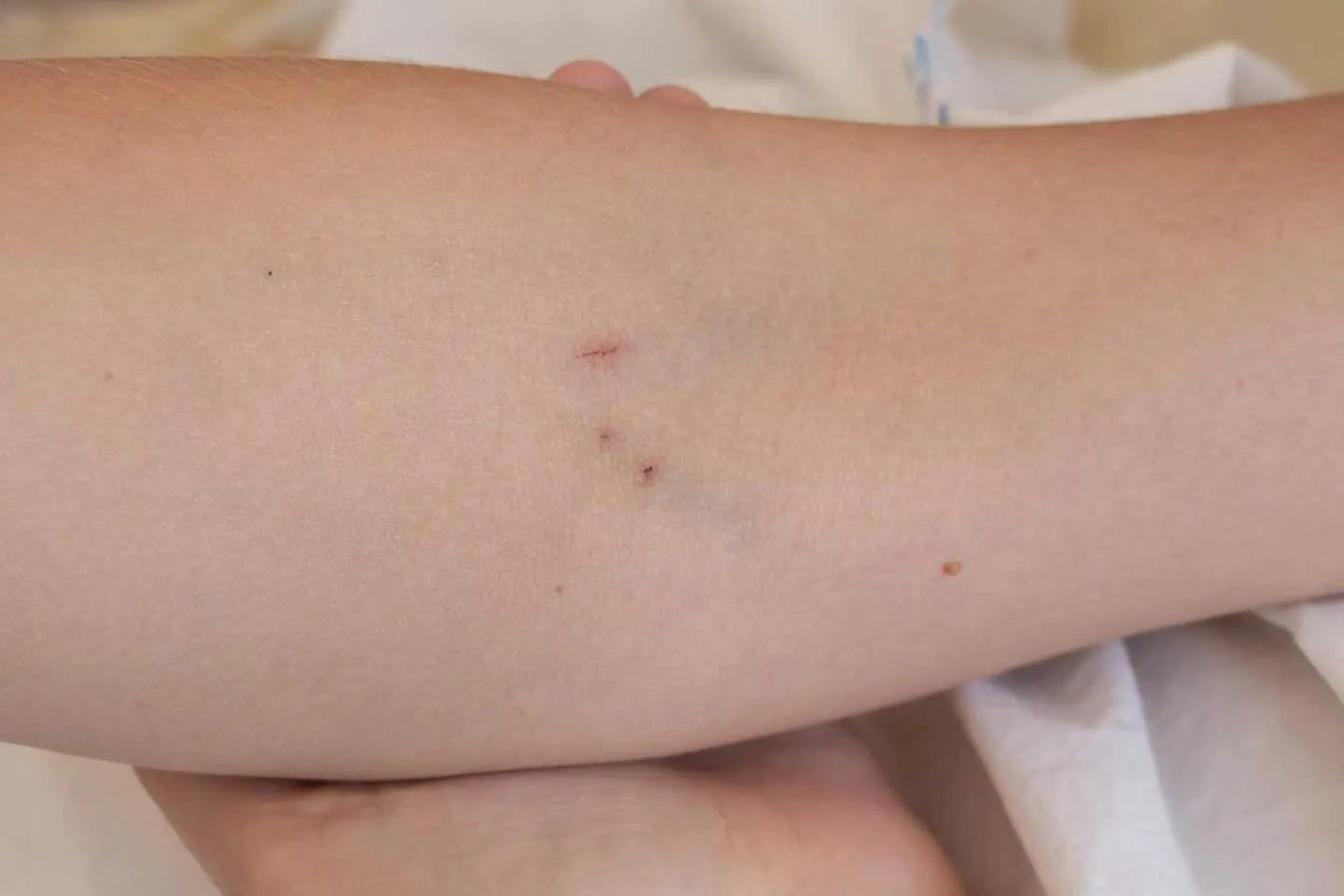
If the blood vessels are affected, the pain is often described as aching, heavy, or as if the arm gets tired very quickly. If the blood vessels are affected, it may mean the blood supply to the rest of the arm is not 100%, which can affect the arm's quality. This can include changes to the color of the arm and increased prominence of small veins in the arm and hand. It is less likely that symptoms such as pins and needles and numbness will occur, but this can still happen, making it challenging to differentiate between vascular and neurogenic symptoms.
A large proportion of the assessment for these conditions is based on a clear and accurate discussion of the patient's clinical symptoms. Identifying this clear ‘on/off type’ pain with above-head activities and the description of the pain would give a good idea of the diagnosis. In addition, some clinical tests are used to support a diagnosis. Some of these include the Adson Test, Allen's Test, and Roos Test procedures. These tests aim to add extra stress to the vascular tissues in question, so that symptoms may start, or blood flow (assessed by checking the pulse at the wrist) can be monitored. Other tests used to determine whether nerves are affected include neurodynamic tests, which stress the nerves and look for symptom reproduction.
Once a precise diagnosis has been reached, then treatment can be aimed at the structures that may be irritating the blood vessels or nerves. Accurate diagnosis is the primary aim, as it leads to a clear explanation for the patient and an understanding of their condition and what might aggravate it. Treatment aimed towards reducing stress on the irritated structures can then be given. For example, this might include postural changes to take pressure off nerves or blood vessels by increasing space around the shoulder and rib cage. Stretching or reducing tension in muscles that might be compressing tissues, or changing how they are performed, can also enable better movement and overall tissue glide.
If these symptoms sound familiar, or you would like more information about these conditions, consider a specialist physiotherapy assessment and an appointment now.
Schedule Your Visit
Don’t wait to feel better. Book your consultation with Physio Therapy Singapore Collective today and let us help you move freely and live pain-free.


Mon–Fri: 7 a.m.– 9 p.m.
Sat & Sun: 8 a.m.– 8 p.m.

We offer expert physiotherapy, rehabilitation, and wellness services across Singapore.



2026 © Physiotherapy Singapore Collective. All rights reserved. | Privacy Policy | Digital Marketing by Remedo
- Aljunied |
- Ang Mo Kio |
- Balestier |
- Bartley |
- Bedok |
- Bugis |
- Bukit Batok |
- Bukit Timah |
- Buona Vista |
- Chinatown |
- Choa Chu Kang |
- Clementi |
- East Coast |
- Geylang |
- Hougang |
- Jalan Kayu |
- Jurong |
- Kallang |
- Kembangan |
- Macpherson |
- Mandai |
- Marina Bay |
- Marine Parade |
- Novena |
- Orchard Road |
- Pasir Panjang |
- Pasir Ris |
- Paya Lebar |
- Potong Pasir |
- Punggol |
- Queenstown |
- Raffles Place |
- Seletar |
- Sentosa |
- Serangoon |
- Tai Seng |
- Tampines |
- Tanjong Pagar |
- Telok Blangah |
- Tiong Bahru |
- Toa Payoh |
- Woodlands |
- Yishun
- Aljunied |
- Ang Mo Kio |
- Balestier |
- Bartley |
- Bedok |
- Bugis |
- Bukit Batok |
- Bukit Timah |
- Buona Vista |
- Chinatown |
- Choa Chu Kang |
- Clementi |
- East Coast |
- Geylang |
- Hougang |
- Jalan Kayu |
- Jurong |
- Kallang |
- Kembangan |
- Macpherson |
- Mandai |
- Marina Bay |
- Marine Parade |
- Novena |
- Orchard Road |
- Pasir Panjang |
- Pasir Ris |
- Paya Lebar |
- Potong Pasir |
- Punggol |
- Queenstown |
- Raffles Place |
- Seletar |
- Sentosa |
- Serangoon |
- Tai Seng |
- Tampines |
- Tanjong Pagar |
- Telok Blangah |
- Tiong Bahru |
- Toa Payoh |
- Woodlands |
- Yishun