
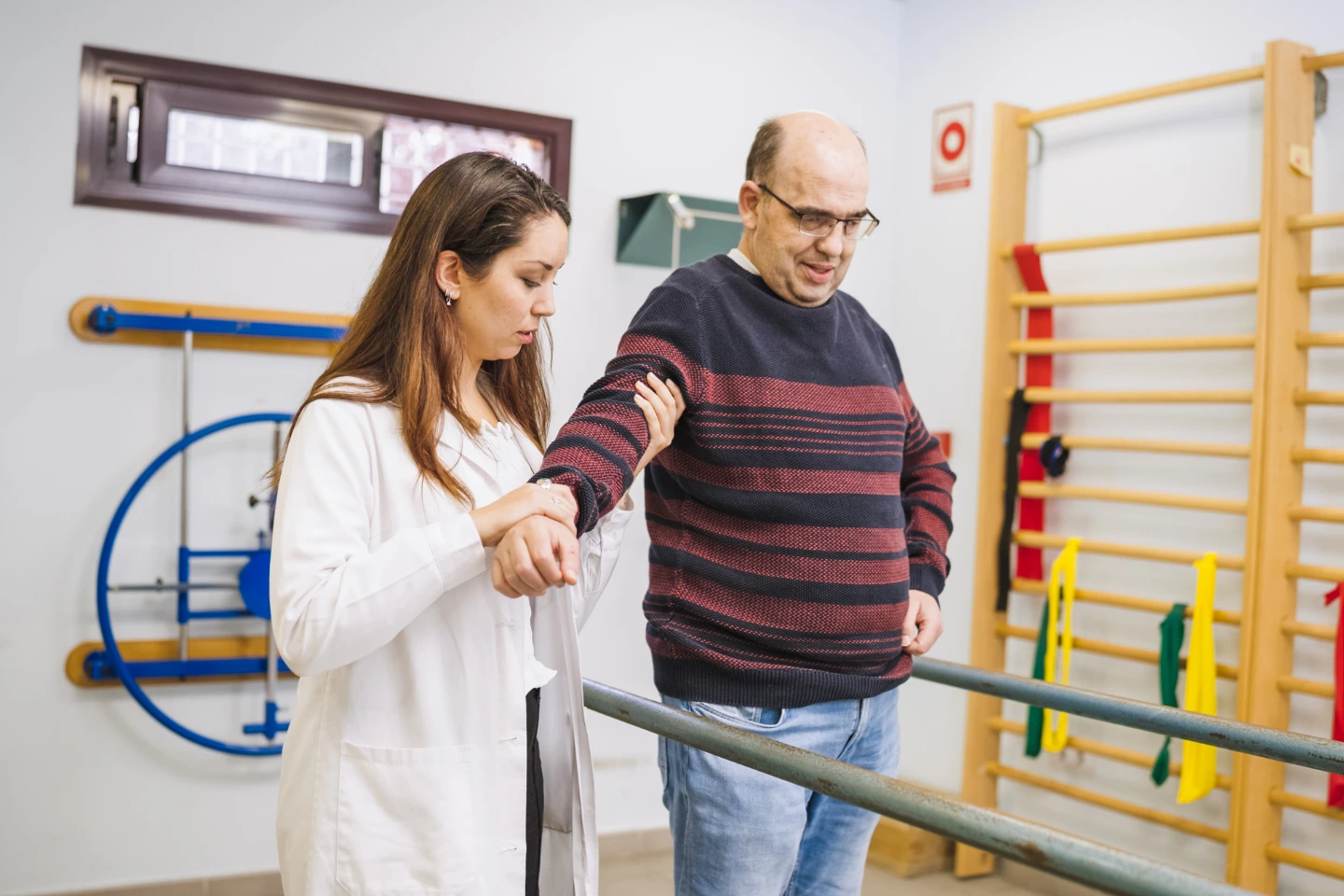
Feeling dizzy, lightheaded, or completely unsteady can be incredibly frustrating and, at times, genuinely frightening. For many people, dizziness affects far more than just physical comfort. It can actively interfere with your work, walking, driving, regular exercise, and even the simplest daily tasks. It is incredibly common for individuals to start avoiding movement altogether simply because they fear losing their balance or triggering another wave of intense symptoms.
While occasional dizziness can happen to anyone for a variety of temporary reasons, persistent balance problems or recurring vertigo are often directly linked to the vestibular system. This intricate system plays a crucial role in maintaining your overall balance and spatial orientation.
Fortunately, specialised physiotherapy approaches like vestibular rehabilitation therapy (VRT) can help manage these symptoms effectively. Through targeted exercises and highly personalised treatment plans, vestibular rehabilitation aims to reduce dizziness, improve balance, and restore your confidence in movement. At the Physio Therapy Singapore Collective, our goal is to help you understand exactly what is happening inside your body so you can safely reclaim your physical freedom.
What Is the Vestibular System?
The vestibular system is located deep within your inner ear and works in close partnership with your brain, eyes, and muscles to maintain your balance and coordinate your movement.
Think of it as your body's internal GPS and leveling system. It helps your body:
- Detect head movement, speed, and position
- Maintain a completely stable vision while you are moving
- Coordinate your posture and overall balance
- Keep you oriented in space so you know up from down
When the vestibular system is disrupted by illness, injury, or age, the brain begins to receive conflicting information about your movement and position. This sensory mismatch is what leads to symptoms like dizziness, spinning sensations, imbalance, nausea, or visual disturbances.
Common Symptoms of Vestibular Disorders
Vestibular conditions affect everyone differently. Some people experience brief, intense episodes of vertigo, while others feel a persistent, low-grade unsteadiness or disorientation that lasts for days.
Common symptoms to look out for include:
- Dizziness or a lightheaded, floating feeling
- Vertigo (a distinct, false sensation that you or your surroundings are spinning)
- Loss of balance, rocking sensations, or general instability
- Difficulty walking steadily in a straight line
- Intense motion sensitivity (feeling sick or dizzy during car rides or quick turns)
- Blurred or jumpy vision during head movement
- Nausea and occasional vomiting
- Feeling disoriented or "foggy"
- An increased risk of trips and falls
- Difficulty focusing or feeling overwhelmed in busy, crowded environments
These symptoms often worsen when you turn your head quickly, bend down to pick something up, stand up rapidly, walk in crowded places, or move through visually stimulating environments like supermarkets.
Common Causes of Dizziness and Balance Disorders
Several specific conditions can disrupt the inner ear and contribute to ongoing dizziness or balance issues.
Benign Paroxysmal Positional Vertigo (BPPV)
BPPV is one of the most common causes of true vertigo. It occurs when tiny calcium crystals inside the inner ear become dislodged from their proper chamber and float into the fluid-filled semicircular canals. When you move your head, these loose crystals shift, sending false movement signals to your brain that trigger brief but intense spinning sensations. This is especially common when rolling over in bed, looking up at a high shelf, or bending down.
Vestibular Neuritis and Labyrinthitis
These conditions involve inflammation affecting the inner ear or the vestibular nerve, typically following a common viral infection like a cold or flu. This inflammation can cause sudden, severe vertigo, intense nausea, major balance difficulties, and an extreme sensitivity to any head movement.
Persistent Postural-Perceptual Dizziness (PPPD)
PPPD causes ongoing, non-spinning dizziness and unsteadiness that lasts for months. It is often triggered by a primary event like an episode of BPPV or a medical illness, but the dizziness persists long after the original cause has resolved. Symptoms typically worsen with movement, visual stimulation, or standing upright.
Age-Related Balance Decline
As we age, natural changes in our vision, muscle strength, joint mobility, and inner ear function can combine to increase balance problems and fall risks.
Concussion and Head Injuries
Vestibular symptoms frequently occur following a concussion or traumatic head injury. A blow to the head can easily disrupt the delicate structures of the inner ear or alter how the brain processes balance information, directly affecting your visual stability and coordination.
What Is Vestibular Rehabilitation Therapy?
Vestibular rehabilitation therapy is a highly specialised form of physiotherapy designed to drastically reduce dizziness and improve physical balance through carefully prescribed exercises.
Rather than relying on short-term medication to mask the symptoms, this treatment focuses on helping your brain adapt to the changes or damage within your vestibular system. This natural neurological process is known as central compensation. Through targeted practice, the brain learns to rely more effectively on other sensory inputs, like your vision and the feedback from your feet and joints, to maintain balance and movement control.
Because every vestibular issue is unique, recovery plans are completely individualised based on your specific symptoms, lifestyle demands, and physical limitations.
How Vestibular Rehabilitation Helps Your Body
- Reduces Dizziness Symptoms: Specific, repetitive exercises can help desensitise your brain to the exact movements that trigger your dizziness, gradually reducing the intensity of your symptoms over time.
- Improves Balance and Stability: Dedicated balance retraining exercises help improve your coordination, posture, and real-world movement control, making you much steadier on your feet and reducing your likelihood of falls.
- Enhances Visual Stability: Vestibular disorders can make it difficult to keep your vision steady when you are walking or turning. Tailored eye and head coordination exercises train your eyes to maintain a stable focus during movement.
- Restores Confidence in Movement: Many people with chronic dizziness become deeply fearful of moving, which unfortunately leads to physical deconditioning, stiff muscles, and anxiety. Guided rehabilitation encourages a safe, gradual progression that builds your confidence back up.
- Supports a Safe Return to Daily Activities: Ultimately, the treatment aims to help you safely return to your career, your favorite exercise routines, social gatherings, and daily habits with minimal to no symptoms.
What Happens During Vestibular Rehabilitation?
A Comprehensive Assessment
Your recovery always begins with a thorough, head-to-toe assessment by a specialised physiotherapist. During this session, they will look closely at your balance and walking mechanics, your eye movement control, your overall coordination, your neck mobility, and your specific positional triggers. Understanding these exact symptom patterns ensures your treatment targets the root cause of the problem.
An Individualised Exercise Programme
Depending on your assessment results, your custom programme may include:
- Gaze Stabilisation Exercises: These improve the coordination between your eye movements and head movements, reducing visual blurring, bouncing, and motion dizziness.
- Balance Training: These exercises challenge your stability in a safe, controlled environment to progressively build up your coordination and lower body strength.
- Habituation Exercises: By exposing your body to mild, controlled versions of the movements that trigger your symptoms, your brain gradually learns to tolerate them, turning down the volume on the dizziness.
- Canalith Repositioning Manoeuvres: If you are diagnosed with BPPV, specific, hands-on physical repositioning techniques like the Epley manoeuvre are used to gently guide the displaced calcium crystals back into the correct area of the inner ear, often providing rapid relief.
- Functional Movement Training: Exercises tailored to real-life movements like turning corners, bending over to pick up objects, or climbing stairs without losing your footing.
How Long Does Recovery Take?
Because every inner ear condition is different, recovery timelines vary depending on your underlying diagnosis, the severity of your symptoms, your age, and your overall physical health.
Some people dealing with straightforward BPPV experience an incredible, significant improvement after just one or two targeted treatment sessions. On the other hand, individuals managing more complex vestibular disorders or chronic unsteadiness may require several weeks or months of consistent rehabilitation. Staying committed to your prescribed home exercise routine plays a massive role in how quickly your brain compensates and recovers.
When Should You Seek Professional Help?
It is highly recommended to seek a professional medical or physiotherapy assessment if you experience:
- Recurring or unpredictable episodes of dizziness
- Frequent trips, slips, or an obvious loss of balance
- Persistent, distressing vertigo that causes nausea
- Clear difficulty walking steadily on normal surfaces
- Dizziness that lasts for more than a few days without improving
- Symptoms that actively interfere with your ability to enjoy daily life
- Any dizziness or disorientation following a concussion or physical illness
Getting an early assessment helps pinpoint the exact cause of your balance issues, saving you from months of unnecessary frustration and letting you start the correct treatment path sooner.
Living Confidently With Better Balance
Dizziness and balance disorders can significantly impact your independence and quality of life, but they are highly treatable with the right clinical support and rehabilitation approach. While avoiding movement might seem like the safest option initially, gradual, expert-guided movement is actually the absolute best way to trigger your brain's natural healing and adaptation mechanisms.
Vestibular rehabilitation effectively retrains your brain and body to work together as a team once more. Over time, this targeted approach builds your stability, quietens down the dizziness, and gives you back the freedom to move through the world with complete comfort.
Conclusion
Vestibular rehabilitation therapy offers a direct, evidence-based pathway for anyone struggling with dizziness, vertigo, and balance disorders. Through an individualised clinical assessment and a structured, progressive exercise routine, specialised physiotherapy can restore your natural balance and safely guide you back to the lifestyle you love.
At the Physio Therapy Singapore Collective, our vestibular rehabilitation programmes are custom-built around your specific daily challenges and recovery goals. Whether you are looking to combine your inner ear rehabilitation with a tailored functional exercise routine to get stronger or simply want to walk down the street without fear, our team is here to help. Reach out to the Physio Therapy Singapore Collective today to book your comprehensive assessment and discover how it feels to move with total stability and confidence once again.
Schedule Your Visit
Don’t wait to feel better. Book your consultation with Physio Therapy Singapore Collective today and let us help you move freely and live pain-free.


Mon–Fri: 7 a.m.– 9 p.m.
Sat & Sun: 8 a.m.– 8 p.m.


We offer expert physiotherapy, rehabilitation, and wellness services across Singapore.



2026 © Physiotherapy Singapore Collective. All rights reserved. | Privacy Policy | Digital Marketing by Remedo
- Aljunied |
- Ang Mo Kio |
- Balestier |
- Bartley |
- Bedok |
- Bugis |
- Bukit Batok |
- Bukit Timah |
- Buona Vista |
- Chinatown |
- Choa Chu Kang |
- Clementi |
- East Coast |
- Geylang |
- Hougang |
- Jalan Kayu |
- Jurong |
- Kallang |
- Kembangan |
- Macpherson |
- Mandai |
- Marina Bay |
- Marine Parade |
- Novena |
- Orchard Road |
- Pasir Panjang |
- Pasir Ris |
- Paya Lebar |
- Potong Pasir |
- Punggol |
- Queenstown |
- Raffles Place |
- Seletar |
- Sentosa |
- Serangoon |
- Tai Seng |
- Tampines |
- Tanjong Pagar |
- Telok Blangah |
- Tiong Bahru |
- Toa Payoh |
- Woodlands |
- Yishun
- Aljunied |
- Ang Mo Kio |
- Balestier |
- Bartley |
- Bedok |
- Bugis |
- Bukit Batok |
- Bukit Timah |
- Buona Vista |
- Chinatown |
- Choa Chu Kang |
- Clementi |
- East Coast |
- Geylang |
- Hougang |
- Jalan Kayu |
- Jurong |
- Kallang |
- Kembangan |
- Macpherson |
- Mandai |
- Marina Bay |
- Marine Parade |
- Novena |
- Orchard Road |
- Pasir Panjang |
- Pasir Ris |
- Paya Lebar |
- Potong Pasir |
- Punggol |
- Queenstown |
- Raffles Place |
- Seletar |
- Sentosa |
- Serangoon |
- Tai Seng |
- Tampines |
- Tanjong Pagar |
- Telok Blangah |
- Tiong Bahru |
- Toa Payoh |
- Woodlands |
- Yishun